
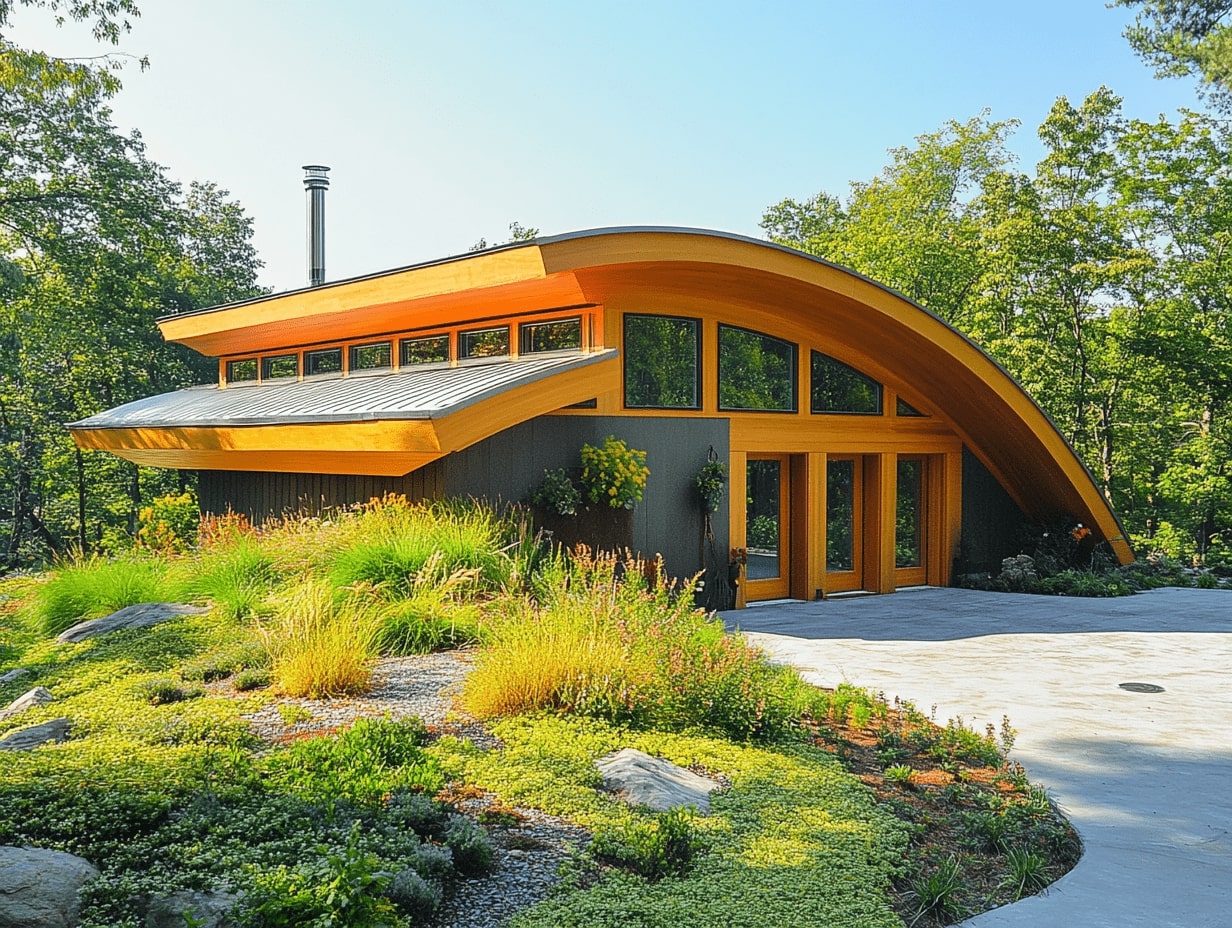
Architectural design is the process of planning, designing, and creating buildings and structures that are functional, aesthetically pleasing, safe, and sustainable. It combines creativity, engineering, technology, and environmental considerations to develop spaces that meet the needs of individuals and communities. Architecture has played a significant role throughout human history, shaping civilizations and influencing the way people live, work, and interact.
In modern society, architectural design goes beyond the construction of buildings. It focuses on improving the quality of life, enhancing environmental sustainability, and creating spaces that reflect cultural values and technological advancements. Architects carefully analyze client requirements, site conditions, building regulations, and environmental factors before developing a design that balances beauty and functionality.
Importance of Architectural Design
Architectural design is essential because it determines how effectively a building serves its intended purpose. A well-designed building provides comfort, safety, accessibility, and efficiency. Whether it is a residential home, commercial office, educational institution, or public facility, architectural design influences the experience of its users.
Good architectural design contributes to economic growth by increasing property value and reducing maintenance costs. It also promotes sustainability through energy-efficient systems, natural lighting, and environmentally friendly materials. Furthermore, architecture helps preserve cultural identity by incorporating local traditions and historical influences into modern structures.
Principles of Architectural Design
Several fundamental principles guide the architectural design process:
1. Functionality
Functionality refers to how well a building serves its intended purpose. Spaces should be organized efficiently to meet user needs and support daily activities.
2. Aesthetics
Aesthetic appeal is an important aspect of architecture. The visual appearance of a building, including its shape, color, texture, and materials, contributes to its attractiveness and identity.
3. Sustainability
Modern architecture emphasizes sustainable design practices that minimize environmental impact. This includes energy conservation, water management, and the use of renewable resources.
4. Safety and Security
Buildings must comply with safety standards and regulations. Structural stability, fire protection systems, emergency exits, and accessibility features are critical considerations.
5. Balance and Proportion
Balance and proportion create harmony within a design. Architects carefully arrange elements to achieve visual stability and pleasing compositions.
6. Flexibility
Buildings should be adaptable to changing needs over time. Flexible designs allow spaces to be modified without extensive reconstruction.
Architectural Design Process
The architectural design process involves several stages:
1. Project Brief and Research
The process begins with understanding client requirements, budget limitations, and project objectives. Architects conduct research on site conditions, local regulations, and environmental factors.
2. Concept Development
During this phase, architects generate ideas and develop preliminary sketches. Concepts are created to explore different design possibilities and establish the project’s overall vision.
3. Schematic Design
The chosen concept is refined into detailed floor plans, elevations, and layouts. Architects determine space allocation, circulation patterns, and building orientation.
4. Design Development
Materials, structural systems, mechanical services, and construction details are further developed. Architects collaborate with engineers and consultants to ensure feasibility.
5. Construction Documentation
Detailed drawings and specifications are prepared for construction. These documents provide contractors with the information necessary to build the project accurately.
6. Construction and Supervision
Architects may supervise construction activities to ensure that the project follows design specifications and quality standards.
Key Elements of Architectural Design
Site Planning
Site planning involves analyzing the location and arranging structures according to environmental conditions, accessibility, and land use requirements.
Space Planning
Space planning focuses on organizing interior areas efficiently. Proper space planning improves movement, comfort, and productivity.
Building Form
The form of a building determines its visual character and functionality. Architects consider factors such as climate, purpose, and structural requirements when designing building forms.
Materials Selection
Choosing appropriate materials affects durability, appearance, maintenance, and environmental impact. Common materials include concrete, steel, glass, wood, and brick.
Lighting Design
Natural and artificial lighting significantly influence the atmosphere and functionality of a building. Proper lighting enhances comfort and reduces energy consumption.
Structural Design
Structural design ensures that a building can safely withstand loads, environmental forces, and long-term use.
Modern Trends in Architectural Design
Architectural design continues to evolve with technological advancements and changing societal needs. Some important modern trends include:
Sustainable Architecture
Green building practices focus on reducing energy consumption, lowering carbon emissions, and promoting environmental responsibility.
Smart Buildings
Smart buildings integrate digital technologies, automation systems, and sensors to improve efficiency, security, and user comfort.
Biophilic Design
Biophilic design incorporates natural elements such as plants, sunlight, and water features to improve well-being and connection with nature.
Modular Construction
Modular construction involves manufacturing building components off-site and assembling them on location, reducing construction time and costs.
Minimalist Architecture
Minimalist architecture emphasizes simplicity, clean lines, open spaces, and functional design elements.
Challenges in Architectural Design
Architects face various challenges during the design process. Budget constraints often limit design possibilities, while environmental regulations require sustainable solutions. Urbanization creates pressure for efficient land use and high-density developments. Additionally, architects must balance aesthetic goals with structural, functional, and safety requirements.
Technological advancements present both opportunities and challenges. While modern software improves design accuracy and visualization, architects must continuously update their skills to remain competitive in the industry.
Architectural design is a multidisciplinary field that combines creativity, technical expertise, and problem-solving skills to create functional and visually appealing spaces. It plays a vital role in shaping the built environment and improving the quality of life for individuals and communities. Through careful planning, sustainable practices, and innovative solutions, architects design buildings that meet present needs while considering future generations. As technology and environmental awareness continue to evolve, architectural design will remain a key factor in creating safe, efficient, and inspiring spaces for society.
Key Points of Architectural Design
- Architectural design is the process of planning and creating buildings and structures.
- It combines art, engineering, technology, and environmental considerations.
- Functionality is the primary objective of any architectural project.
- Aesthetics enhance the visual appeal and identity of buildings.
- Sustainability reduces environmental impact through efficient design.
- Safety and security are essential design requirements.
- The design process includes research, concept development, planning, documentation, and construction.
- Site planning and space planning improve building performance.
- Material selection affects durability, cost, and appearance.
- Modern trends include smart buildings, green architecture, and biophilic design.
- Architects must balance creativity with technical and regulatory requirements.
- Good architectural design improves quality of life and supports sustainable development.