
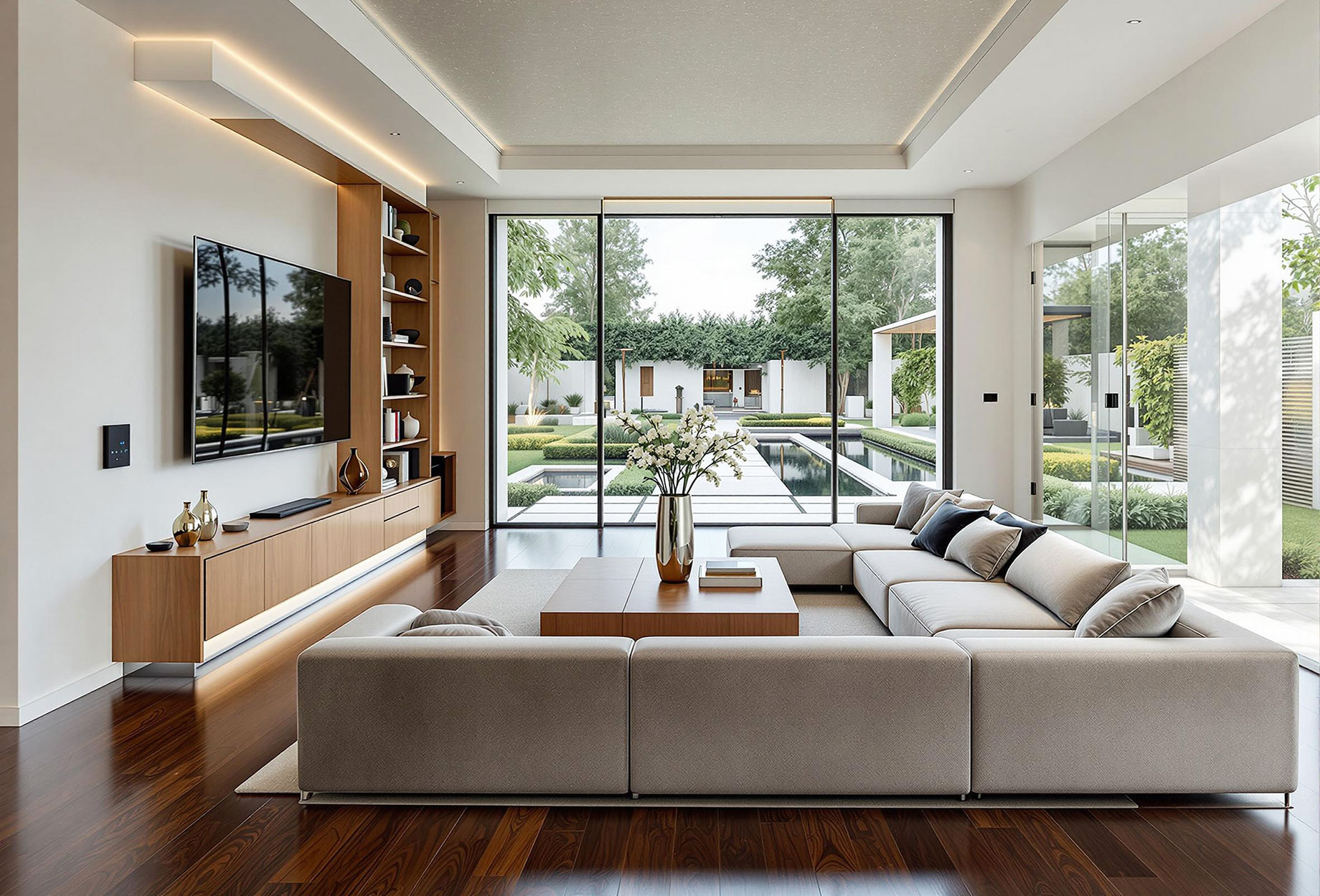
Renovation is the process of improving, updating, or restoring a building, house, office, or any other structure to enhance its functionality, appearance, and value. In today’s fast-changing world, renovation has become an important aspect of property management. Whether it is a residential home, commercial building, or industrial facility, renovation helps maintain the property’s condition and adapt it to modern needs and lifestyles.
People choose renovation for various reasons. Some renovate their homes to create more living space, while others upgrade outdated designs and systems. Businesses often renovate offices to improve productivity, create a better working environment, and attract customers. Regardless of the purpose, renovation plays a significant role in increasing the usefulness and attractiveness of a property.
One of the primary benefits of renovation is the improvement of functionality. Over time, the needs of occupants change. A growing family may require additional rooms, larger kitchens, or improved storage areas. Through renovation, homeowners can modify existing spaces to better suit their requirements. Similarly, businesses can redesign workspaces to accommodate new technologies and changing operational needs.
Another major advantage of renovation is the increase in property value. Real estate experts often recommend renovating key areas such as kitchens, bathrooms, and living spaces because these improvements can significantly raise a property’s market value. Potential buyers are generally more attracted to modern, well-maintained properties than outdated ones. As a result, renovation can be a profitable investment for property owners.
Renovation also contributes to improved safety and structural integrity. Older buildings may develop issues such as damaged roofing, weakened foundations, outdated electrical systems, and plumbing problems. Renovation provides an opportunity to identify and repair these issues before they become serious hazards. Upgrading electrical wiring, replacing old pipes, and reinforcing structural components help ensure the safety of occupants.
Energy efficiency is another important reason for renovation. Modern renovation projects often include the installation of energy-efficient windows, insulation, lighting systems, and appliances. These upgrades reduce energy consumption, lower utility bills, and contribute to environmental sustainability. As concerns about climate change continue to grow, many property owners are prioritizing eco-friendly renovation solutions.
Planning is a critical phase of any renovation project. Successful renovation begins with a clear understanding of goals, requirements, and available resources. Property owners should carefully assess the areas that need improvement and develop a realistic budget. It is important to estimate costs accurately and include a contingency fund for unexpected expenses. Proper planning minimizes delays and helps ensure that the project stays within budget.
Choosing the right materials is equally important. High-quality materials may require a larger initial investment, but they often provide better durability and long-term value. Whether selecting flooring, paint, fixtures, or construction materials, property owners should consider quality, functionality, and aesthetic appeal. Sustainable materials are becoming increasingly popular due to their environmental benefits and long lifespan.
Professional contractors and designers play a vital role in renovation projects. Experienced professionals bring technical knowledge, creativity, and project management skills. They can help property owners make informed decisions, comply with building regulations, and achieve the desired results. Hiring qualified experts reduces the risk of errors and ensures that renovation work meets industry standards.
Modern renovation trends focus on creating comfortable, efficient, and technologically advanced spaces. Open floor plans, smart home systems, energy-efficient appliances, and multifunctional rooms are among the most popular features in contemporary renovations. Homeowners are increasingly integrating technology into their living environments through automated lighting, security systems, and climate control devices.
Interior renovation is particularly popular because it directly affects the daily experience of occupants. Updating wall colors, flooring, furniture layouts, and decorative elements can dramatically change the atmosphere of a space. Modern interior design emphasizes simplicity, natural lighting, and practical functionality. Renovated interiors often create a more welcoming and comfortable environment for residents and visitors.
Exterior renovation is equally important. The exterior of a building creates the first impression and significantly influences property value. Common exterior renovation projects include repainting, landscaping, roof replacement, and facade improvements. Well-maintained exteriors not only enhance appearance but also protect the building from environmental damage.
Despite its many benefits, renovation can present challenges. Construction delays, unexpected costs, and design changes may occur during the project. Effective communication among property owners, contractors, and designers is essential for overcoming these challenges. Flexibility and careful project management help ensure successful outcomes.
After renovation is completed, regular maintenance is necessary to preserve the quality of improvements. Routine inspections, cleaning, and timely repairs help extend the lifespan of renovated features and prevent future problems. Maintenance protects the investment and ensures long-term satisfaction with the renovated property.
In conclusion, renovation is a valuable process that enhances the functionality, safety, appearance, and value of properties. Whether undertaken for personal comfort, business growth, or investment purposes, renovation offers numerous benefits. With proper planning, quality materials, professional expertise, and ongoing maintenance, renovation projects can transform ordinary spaces into modern, efficient, and attractive environments. As technology and design trends continue to evolve, renovation will remain an essential tool for improving the quality of living and working spaces in the future.
Renovation is more than just upgrading a building; it is an investment in comfort, safety, efficiency, and property value. A well-planned renovation project can transform old and outdated spaces into modern, functional, and aesthetically pleasing environments that meet current and future needs.
Key Points
- Renovation improves the functionality, appearance, and value of a property.
- It can include structural changes, interior upgrades, and energy-efficient improvements.
- Proper planning and budgeting are essential for successful renovation projects.
- Renovations enhance comfort, safety, and aesthetic appeal.
- Modern renovation trends focus on sustainability and smart home technology.
- Regular maintenance after renovation helps preserve the quality of the improvements.