
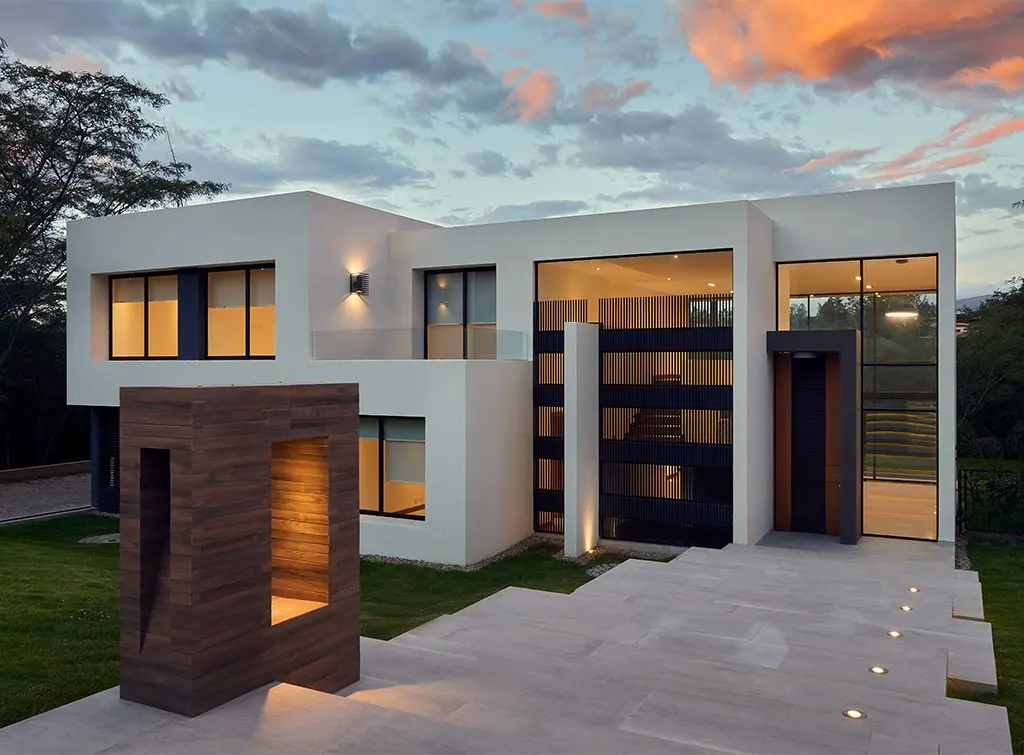
House construction is one of the most important investments in a person’s life. A well-planned and properly constructed house provides safety, comfort, and long-term value. The process of building a house requires careful planning, quality materials, skilled labor, and effective project management. From selecting the land to completing the final finishing work, every stage plays a crucial role in ensuring the durability and functionality of the building.
Importance of House Construction
A house is more than just a structure made of bricks and concrete. It is a place where families live, grow, and create memories. Proper house construction ensures the safety of residents and protects them from environmental factors such as rain, heat, wind, and earthquakes. A well-built house also increases property value and reduces maintenance costs in the future.
Planning and Design
The first step in house construction is planning and design. Before construction begins, homeowners should determine their requirements, budget, and preferred architectural style. An architect or designer prepares detailed drawings and floor plans that include room layouts, dimensions, electrical systems, plumbing systems, and structural details.
Planning is essential because it helps avoid mistakes, reduces unnecessary expenses, and ensures that the final structure meets the needs of the occupants. Proper planning also includes obtaining legal approvals and construction permits from local authorities.
Site Selection and Preparation
Choosing the right location is a critical factor in successful house construction. The selected site should have good soil conditions, access to roads, water supply, electricity, and other essential facilities. After selecting the site, it must be cleared of vegetation, debris, and obstacles.
Site preparation involves leveling the ground and marking the building layout according to the approved design. Accurate measurements during this stage help prevent construction errors and ensure structural stability.
Foundation Construction
The foundation is the most important part of any building because it supports the entire structure. A strong foundation transfers the building load safely to the ground. The type of foundation depends on soil conditions, building size, and local climate.
The construction process begins with excavation, followed by placing reinforcement bars and pouring concrete. High-quality materials and proper engineering practices are necessary to prevent future problems such as cracks, settlement, and structural failure.
Building the Structure
Once the foundation is completed, the structural framework of the house is constructed. This stage includes walls, columns, beams, and slabs. Bricks, concrete blocks, steel, and reinforced concrete are commonly used materials.
The strength of the structure depends on the quality of materials and workmanship. Engineers and supervisors regularly inspect the work to ensure compliance with construction standards and safety regulations.
Roofing System
The roof protects the house from weather conditions and enhances its appearance. Different roofing materials include concrete slabs, metal sheets, clay tiles, and shingles. The choice of roofing material depends on budget, climate, and design preferences.
A properly installed roof prevents water leakage, improves insulation, and increases the lifespan of the building. Waterproofing treatments are often applied to protect the roof from moisture damage.
Electrical and Plumbing Installation
Electrical and plumbing systems are installed after the main structure is completed. Electrical wiring provides power for lighting, appliances, and other equipment. Plumbing systems supply clean water and remove wastewater efficiently.
Professional installation is necessary to ensure safety and compliance with building codes. Poor electrical or plumbing work can result in accidents, costly repairs, and operational issues in the future.
Interior and Exterior Finishing
Finishing work gives the house its final appearance and functionality. Interior finishing includes plastering, flooring, painting, ceiling installation, doors, windows, and kitchen fittings. Exterior finishing involves wall treatments, paint, landscaping, and boundary walls.
The selection of quality finishing materials improves aesthetics, durability, and overall property value. Modern finishing techniques also enhance energy efficiency and comfort.
Quality Control and Safety
Quality control is essential throughout the construction process. Regular inspections help identify defects and ensure that materials meet required standards. Safety measures protect workers and prevent accidents on the construction site.
Construction companies follow safety guidelines such as wearing helmets, gloves, safety shoes, and protective equipment. Proper site management reduces risks and improves productivity.
Sustainable House Construction
Modern construction practices focus on sustainability and environmental protection. Sustainable houses use energy-efficient materials, solar panels, rainwater harvesting systems, and proper insulation. These features reduce energy consumption and lower utility costs.
Green building practices also minimize environmental impact and contribute to a healthier living environment. Many homeowners are now adopting eco-friendly construction methods to support sustainable development.
Challenges in House Construction
House construction can face several challenges, including rising material costs, labor shortages, weather conditions, and project delays. Effective planning, budgeting, and supervision help overcome these challenges. Clear communication among homeowners, architects, engineers, and contractors is essential for successful project completion.
House construction is a complex process that requires careful planning, quality materials, skilled labor, and continuous supervision. Every stage, from site selection and foundation work to finishing and inspection, contributes to the overall strength, safety, and beauty of the house. A well-constructed home not only provides shelter but also offers comfort, security, and long-term value for future generations.
Key Points of House Construction
- House construction is a major long-term investment.
- Proper planning and design are essential for success.
- Site selection affects the durability and functionality of the house.
- A strong foundation ensures structural stability.
- Quality materials improve strength and lifespan.
- Roofing protects the building from weather conditions.
- Electrical and plumbing systems must be professionally installed.
- Interior and exterior finishing enhance appearance and value.
- Quality control ensures compliance with standards.
- Safety measures protect workers and residents.
- Sustainable construction reduces environmental impact.
- Effective project management helps avoid delays and extra costs.
- Regular inspections improve construction quality.
- Good communication among stakeholders is important.
- A well-built house provides comfort, safety, and long-term benefits.