
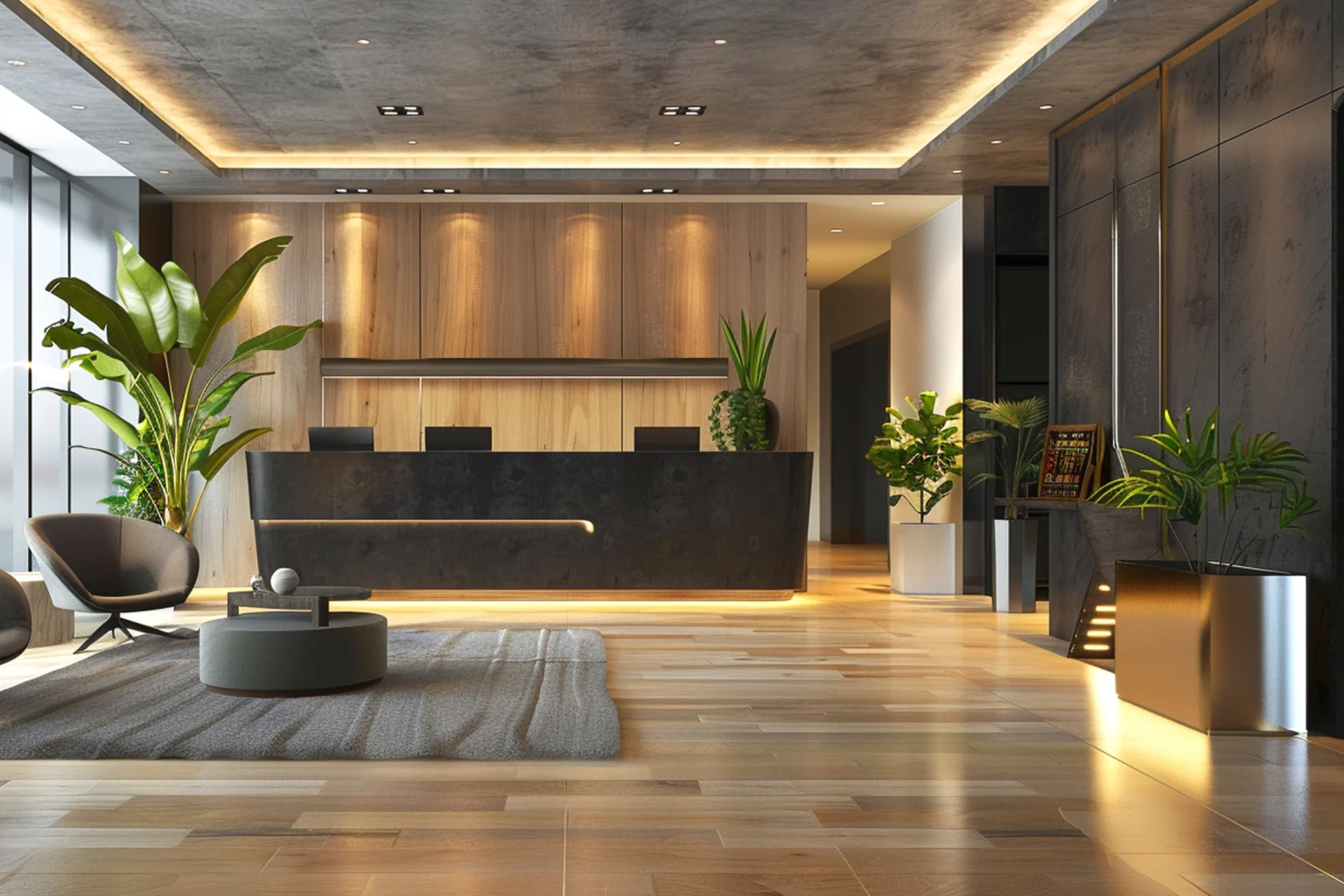
Internal design is the process of planning, organizing, and creating the interior structure and appearance of a product, system, building, or workspace. It focuses on the arrangement of elements within a defined space to ensure functionality, efficiency, safety, and visual appeal. Internal design plays a critical role in determining how users interact with a space or product and directly influences comfort, productivity, and overall satisfaction.
The primary objective of internal design is to create an environment that fulfills specific requirements while maintaining a balance between practicality and aesthetics. Designers must carefully analyze the needs of users, understand operational goals, and consider environmental factors before developing a design solution. A successful internal design not only looks attractive but also improves usability and performance.
One of the most important aspects of internal design is understanding user needs. Every design project begins with identifying the expectations, preferences, and requirements of the intended users. This user-centered approach ensures that the final design supports daily activities and provides a comfortable experience. Whether designing an office, a home, a vehicle, or a digital system, understanding user behavior is essential for achieving effective results.
Functionality is another key component of internal design. A well-designed interior should allow users to perform tasks efficiently and without unnecessary obstacles. Designers focus on optimizing workflows, improving accessibility, and ensuring that all components work together seamlessly. Functional design reduces confusion, saves time, and enhances productivity.
Space planning is a fundamental stage in the internal design process. It involves organizing areas, furniture, equipment, and other elements to maximize available space. Effective space planning creates a logical arrangement that supports movement and interaction. Proper layout design contributes to comfort, efficiency, and overall usability. Designers must consider dimensions, circulation paths, and activity zones to achieve optimal outcomes.
Material selection is also an important consideration in internal design. Different materials offer varying levels of durability, appearance, maintenance requirements, and environmental impact. Designers evaluate materials based on project goals, budget limitations, and performance expectations. High-quality materials can improve longevity and contribute to a positive user experience.
Safety is a critical factor in every internal design project. Designers must ensure that layouts, materials, and systems comply with relevant standards and regulations. Safe design minimizes risks and protects users from potential hazards. Proper lighting, emergency access, fire-resistant materials, and ergonomic considerations are common safety-related elements incorporated into internal design.
Aesthetics play a significant role in shaping user perception and emotional response. Color schemes, textures, lighting, shapes, and decorative elements influence the overall atmosphere of a space. Attractive internal design can create positive impressions, increase engagement, and support brand identity. However, aesthetics should complement functionality rather than compromise it.
Sustainability has become increasingly important in modern internal design practices. Designers are encouraged to use environmentally responsible materials, energy-efficient systems, and sustainable construction methods. Sustainable design helps reduce environmental impact while promoting long-term resource conservation. Incorporating natural lighting, recyclable materials, and efficient energy solutions contributes to a more sustainable environment.
Technology integration is another growing aspect of internal design. Modern spaces often include smart systems, automated controls, digital communication tools, and advanced equipment. Effective integration of technology enhances convenience, efficiency, and user experience. Designers must ensure that technological components are accessible, reliable, and compatible with overall design objectives.
Cost management is essential throughout the design process. Designers must balance quality, functionality, and aesthetics within budget constraints. Careful planning and resource allocation help prevent unnecessary expenses while maintaining project standards. Cost-effective design solutions can achieve desired outcomes without sacrificing performance or appearance.
Maintenance and durability are important considerations for long-term success. Internal design should account for regular use, wear, and environmental conditions. Durable materials and practical layouts reduce maintenance requirements and extend the lifespan of the design. Easy-to-maintain environments contribute to operational efficiency and user satisfaction.
Flexibility is another valuable characteristic of effective internal design. User needs and organizational requirements may change over time. Flexible designs can adapt to future modifications without requiring extensive reconstruction or replacement. Modular components, adjustable layouts, and scalable systems support long-term adaptability.
Collaboration is a key element in the internal design process. Designers often work with engineers, architects, project managers, stakeholders, and end users. Effective communication and teamwork ensure that all project requirements are understood and addressed. Collaborative efforts contribute to better decision-making and more successful project outcomes.
The internal design process typically involves several stages, including research, planning, concept development, design creation, evaluation, implementation, and review. Each stage plays a crucial role in ensuring that the final design meets project objectives. Continuous feedback and assessment help identify improvements and support quality outcomes.
In conclusion, internal design is a comprehensive discipline that combines functionality, aesthetics, safety, sustainability, and technology to create effective interior environments. Successful internal design enhances user experience, supports operational goals, and contributes to long-term value. By focusing on user needs, efficient space utilization, quality materials, and future adaptability, designers can develop solutions that meet current requirements while remaining relevant for years to come. Internal design continues to evolve as new technologies, materials, and sustainability practices emerge, making it an essential component of modern development and innovation.
Key Points
- Definition of Internal Design
- Importance in Product Development
- User-Centered Design Approach
- Functionality and Efficiency
- Space Planning and Layout
- Material Selection
- Safety and Compliance
- Aesthetics and Visual Appeal
- Sustainability Considerations
- Technology Integration
- Cost Management
- Maintenance and Durability
- Future Flexibility
- Collaboration and Communication
- Conclusion